The old Al-Andalus capital
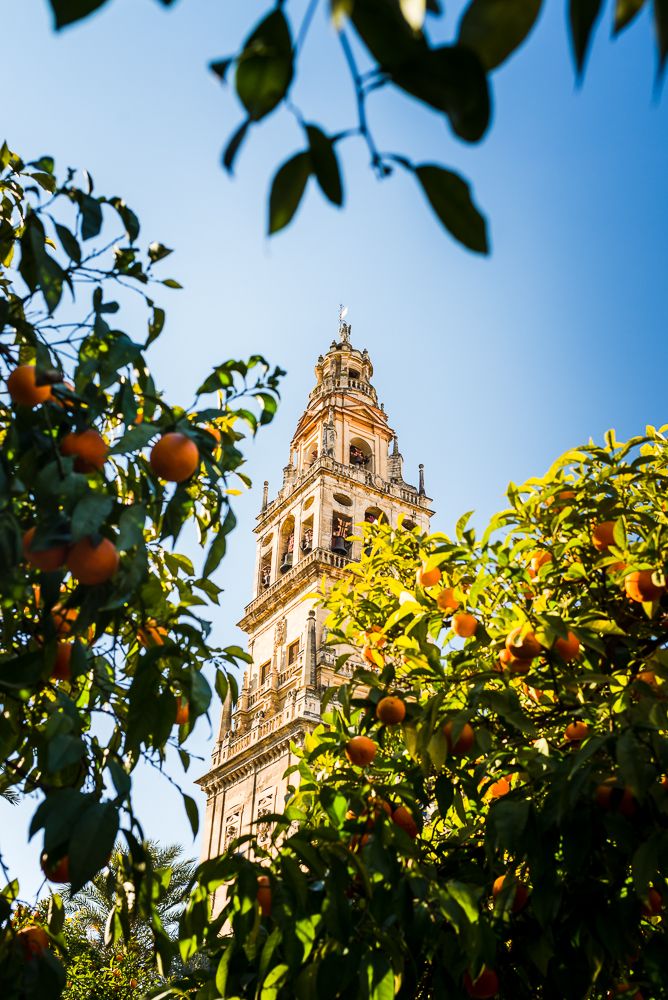
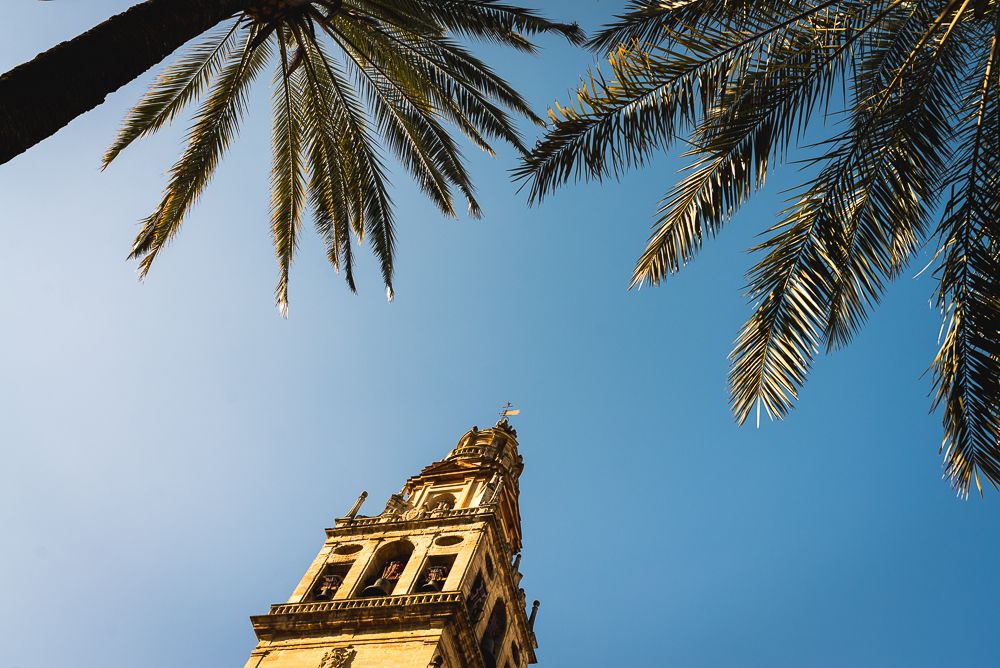
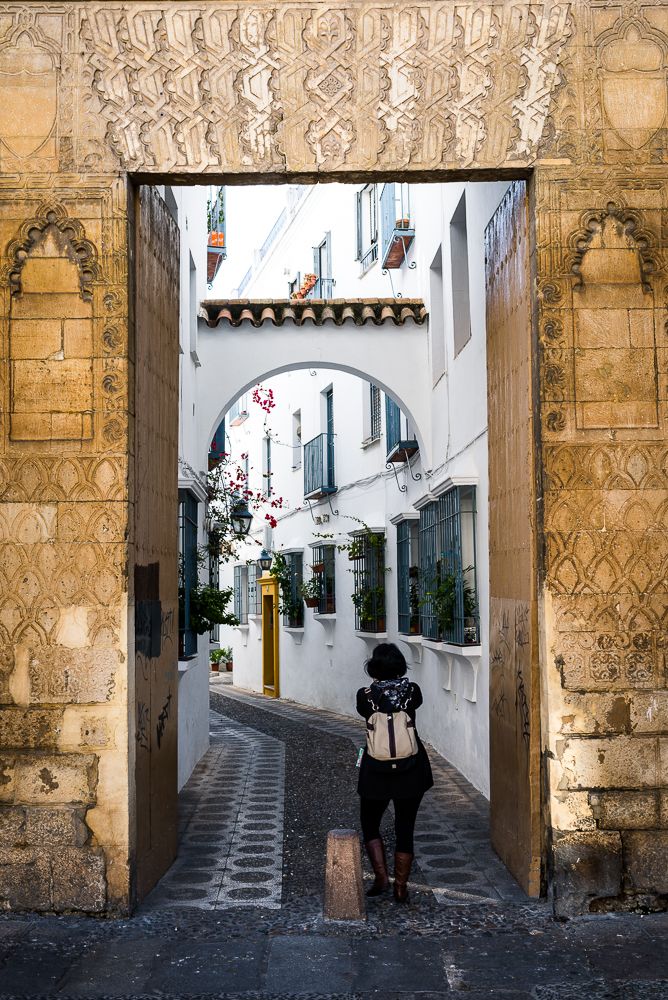
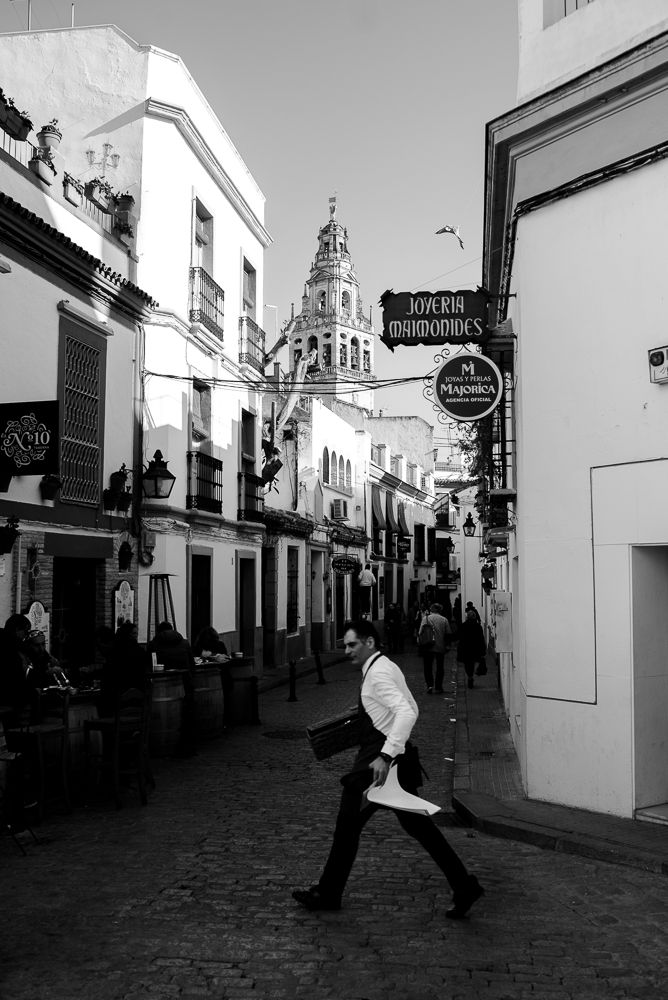
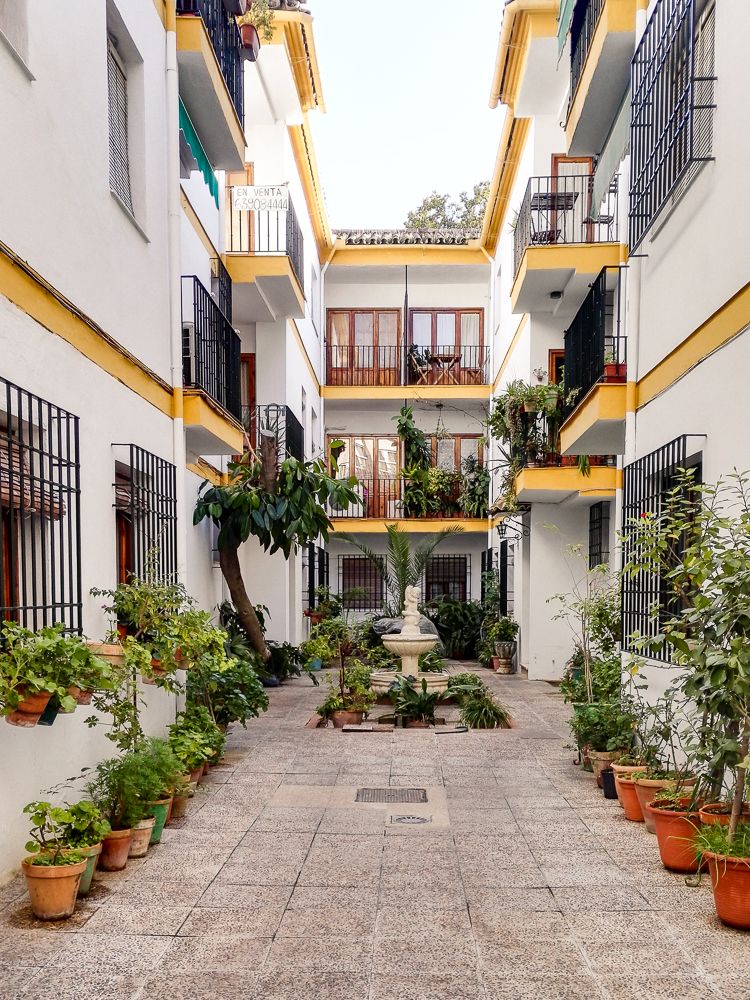
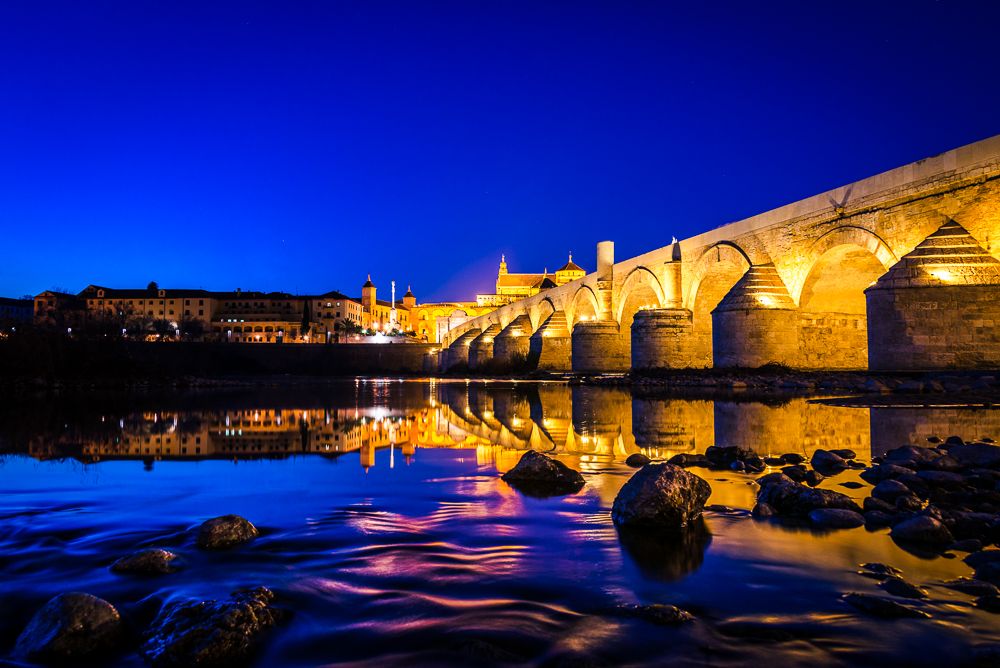
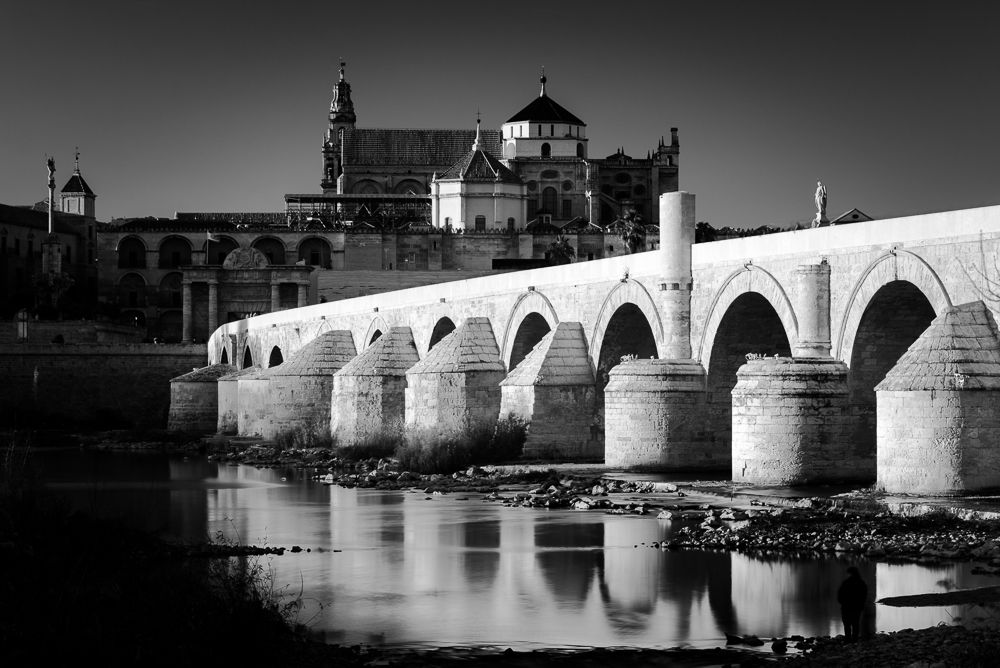
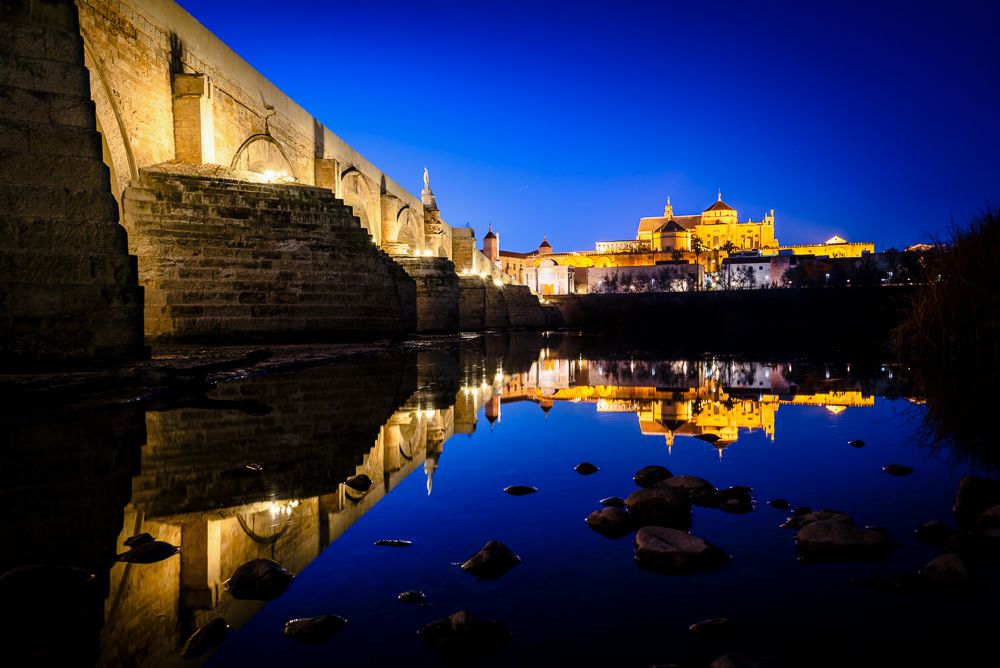
As being one part of UNESCO World Heritage Sites since 1984, the central neighborhood still retains a great deal of its architectural and cultural heritage during years and years. Cordoba is also home to the Calleja de las Flores and Los Patios that grace the name of its famous festival. The small allewywat near the bell tower of the Mezquita is covered in flowerpots and leads to a breezy miniature place with a small fountain. Just adjacent to the mosque and crossing the Guadalquivir River, the “puente Romano” is a testamemt to the city’s dotted past. It has been also my favourite place to appreciate the beautiful sunset.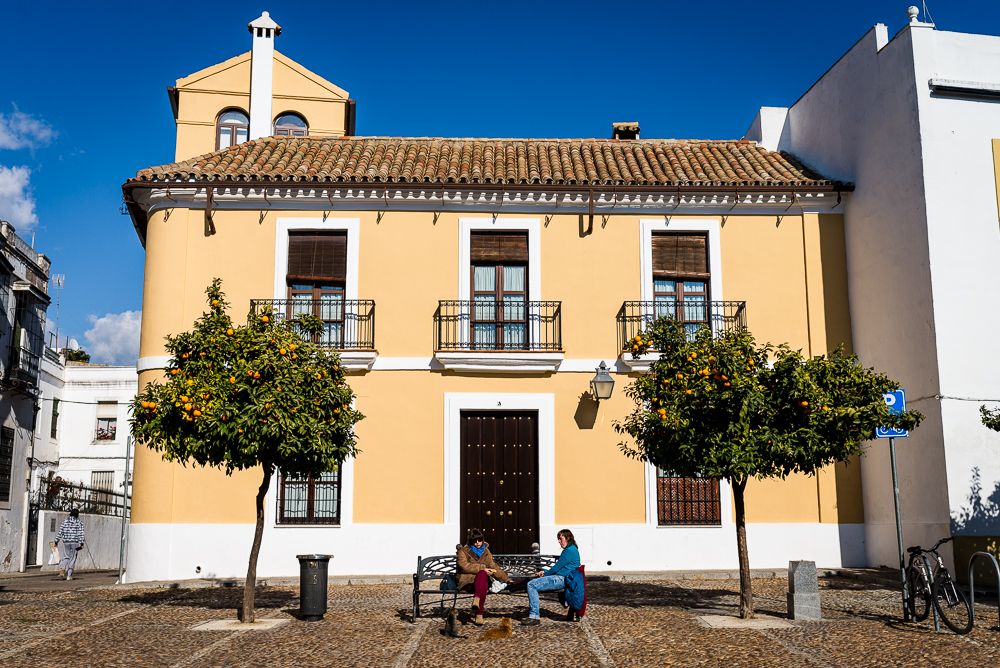
The Mezquita
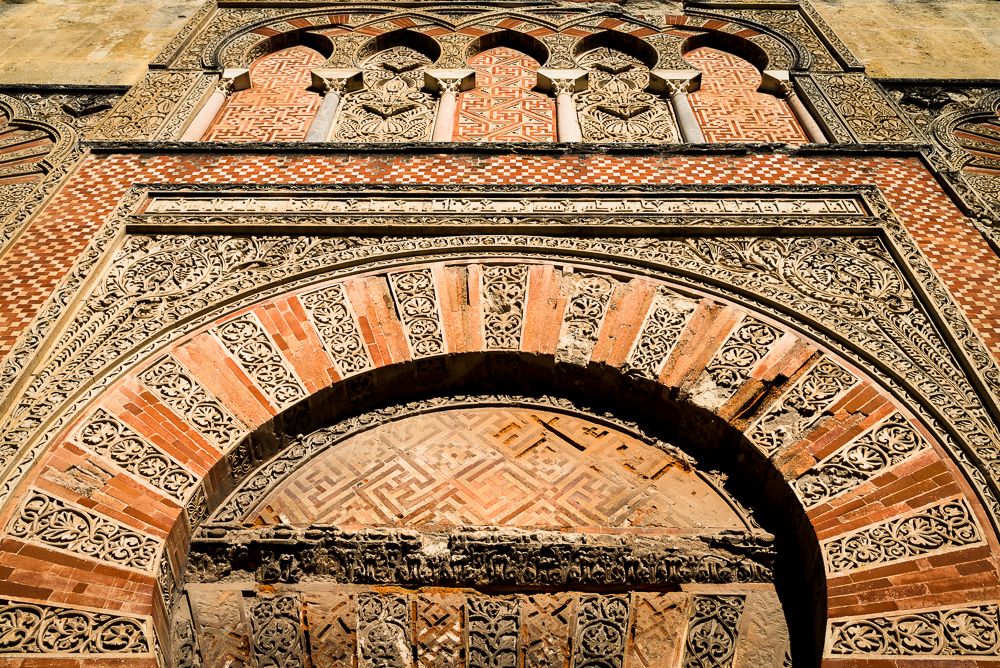
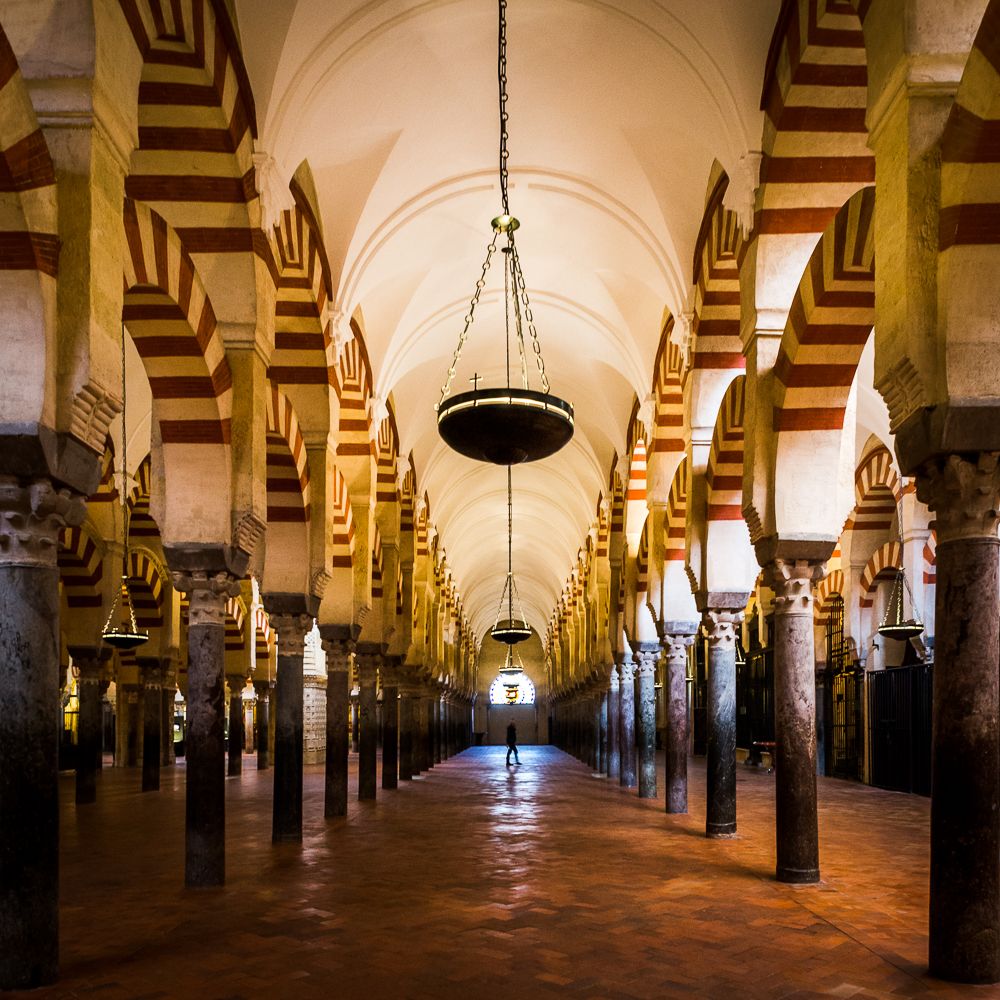
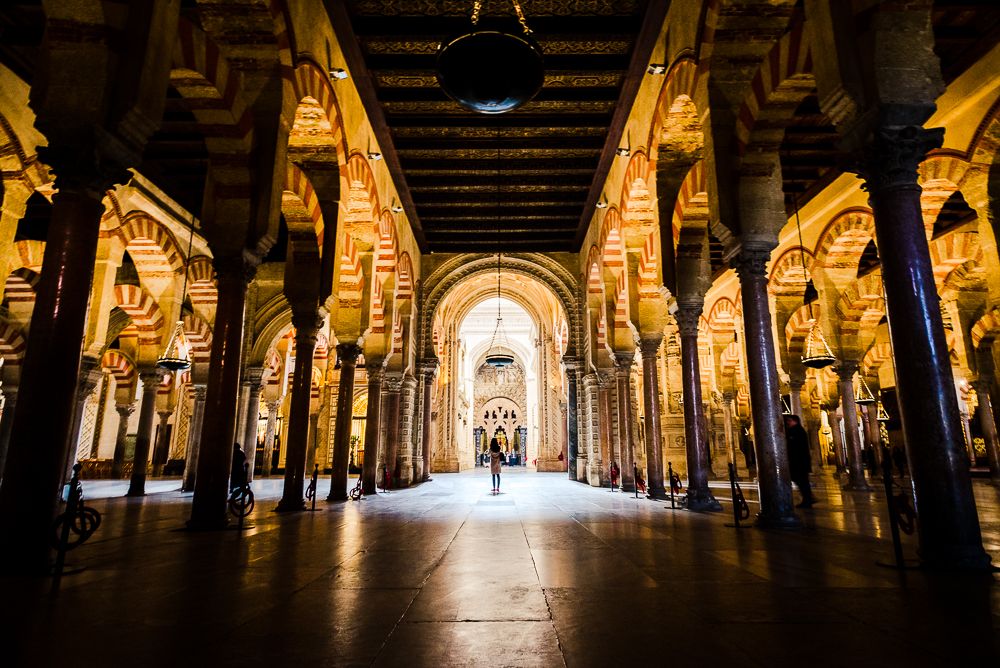
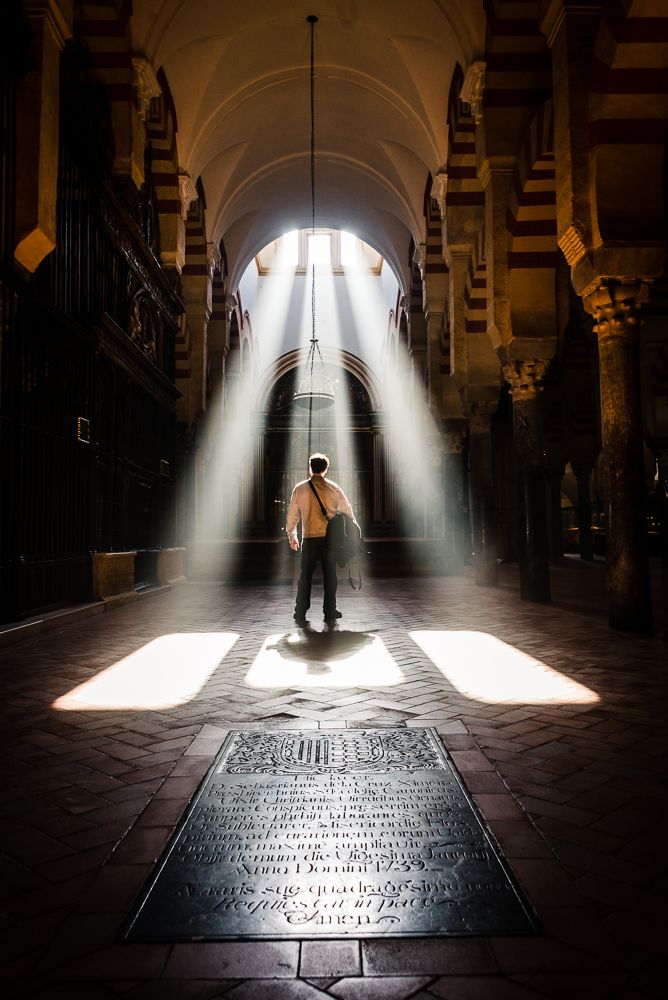
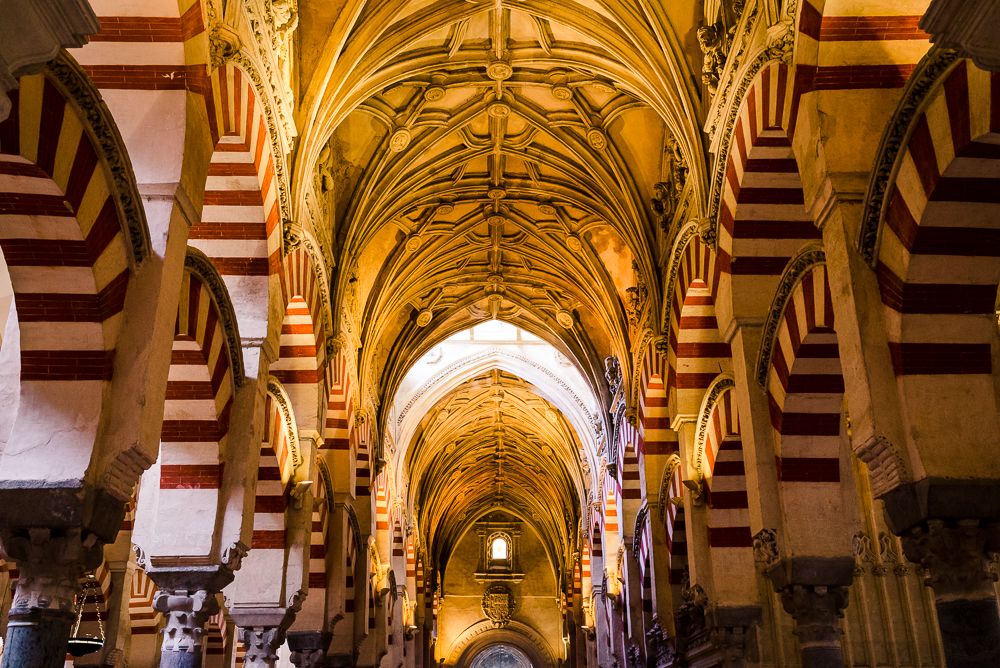
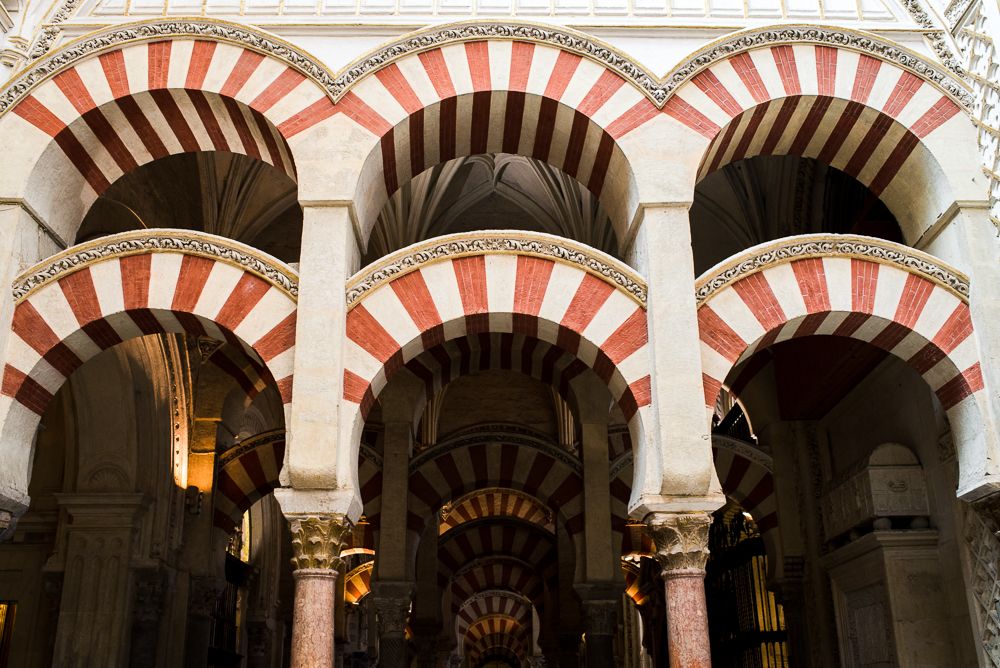
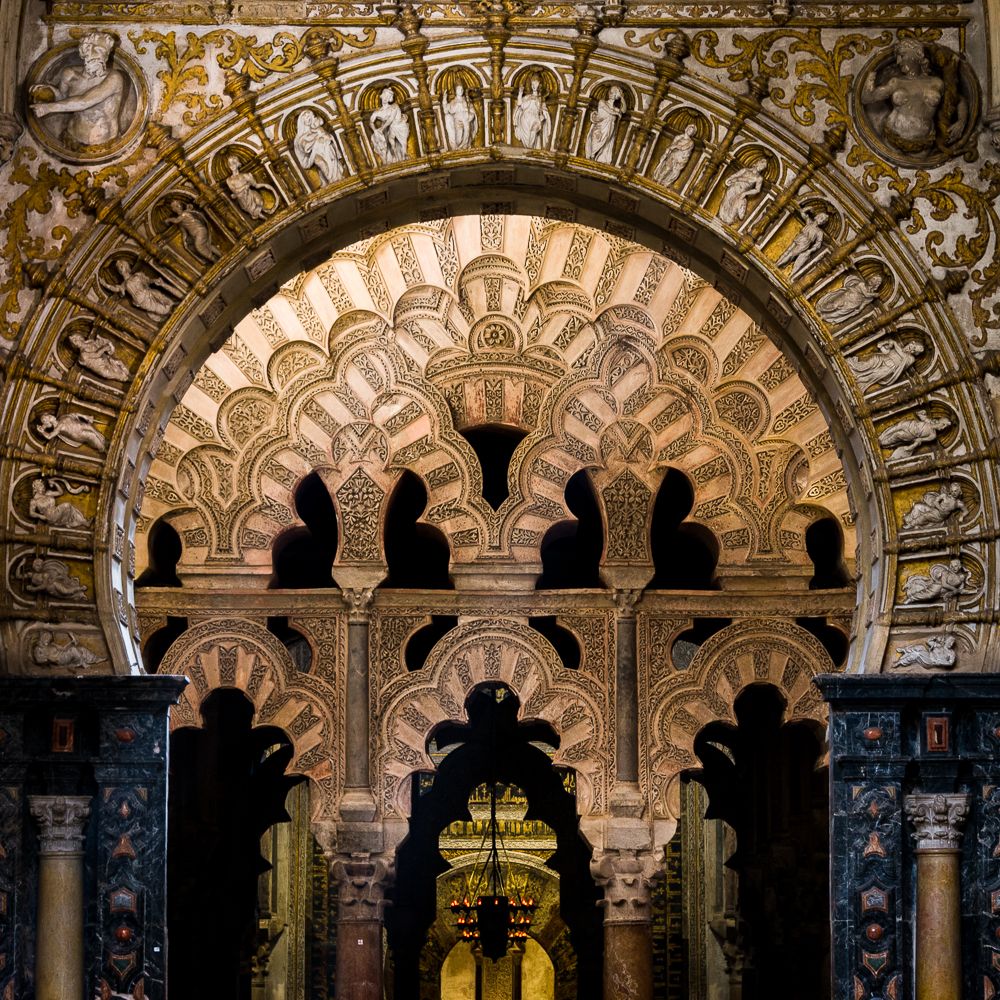
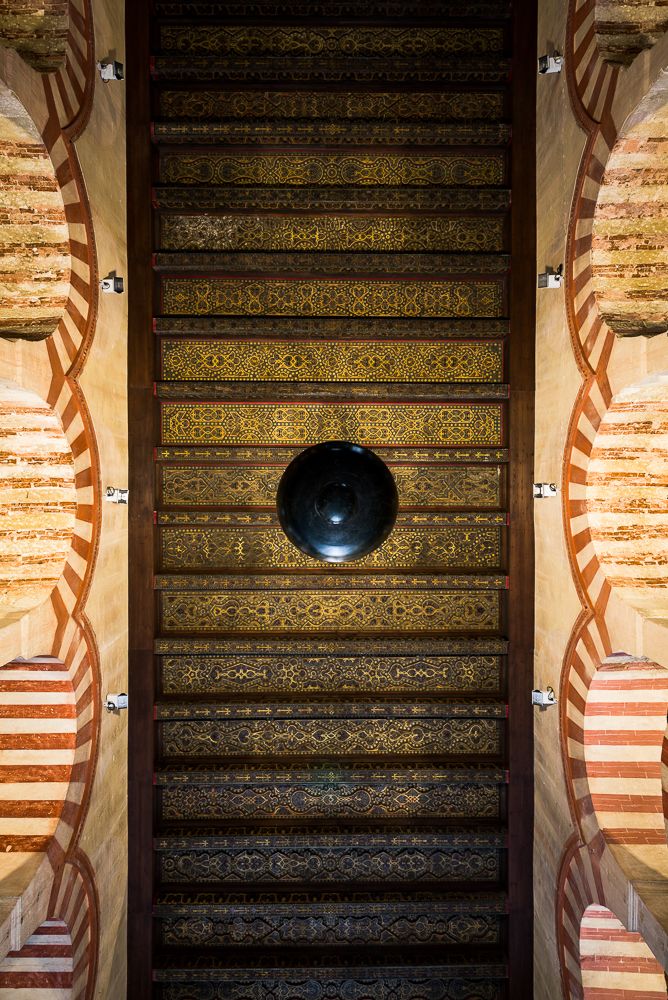
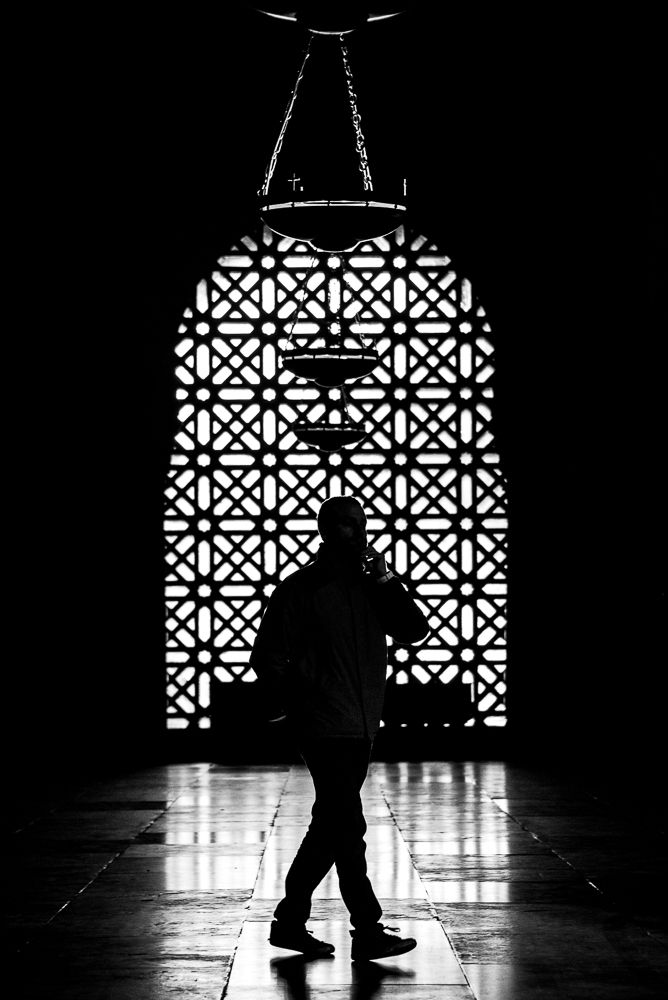
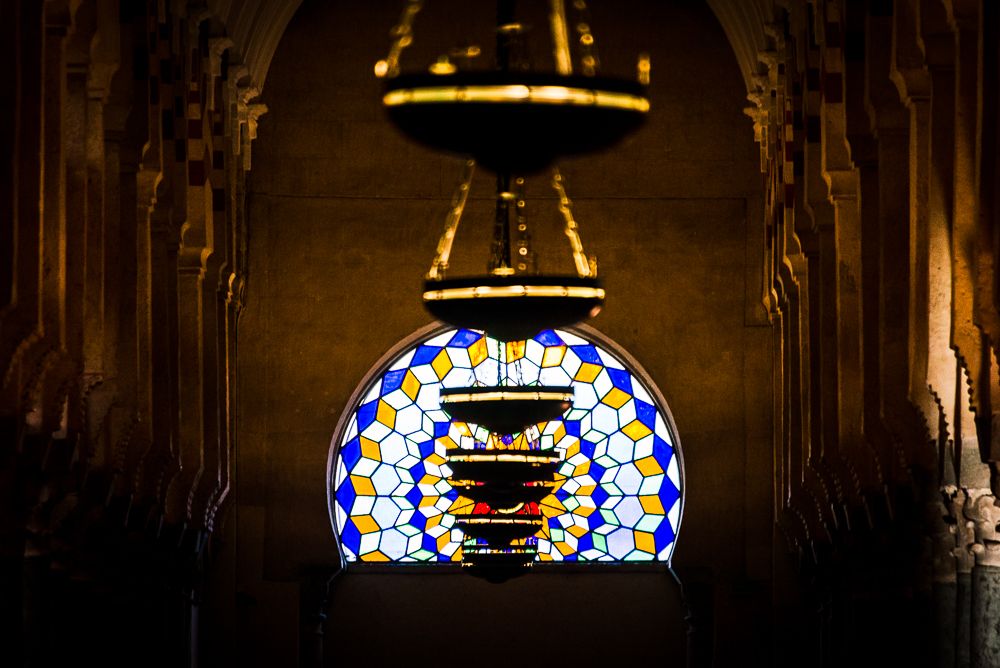
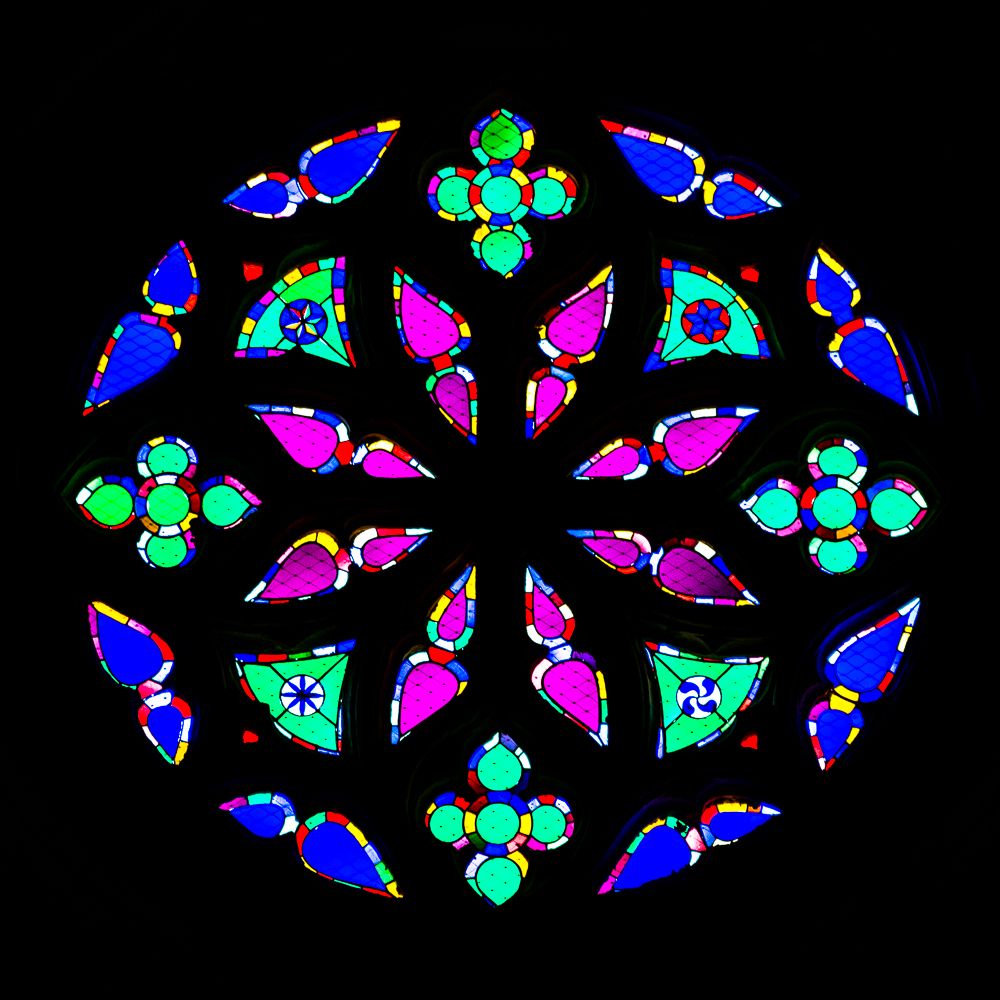
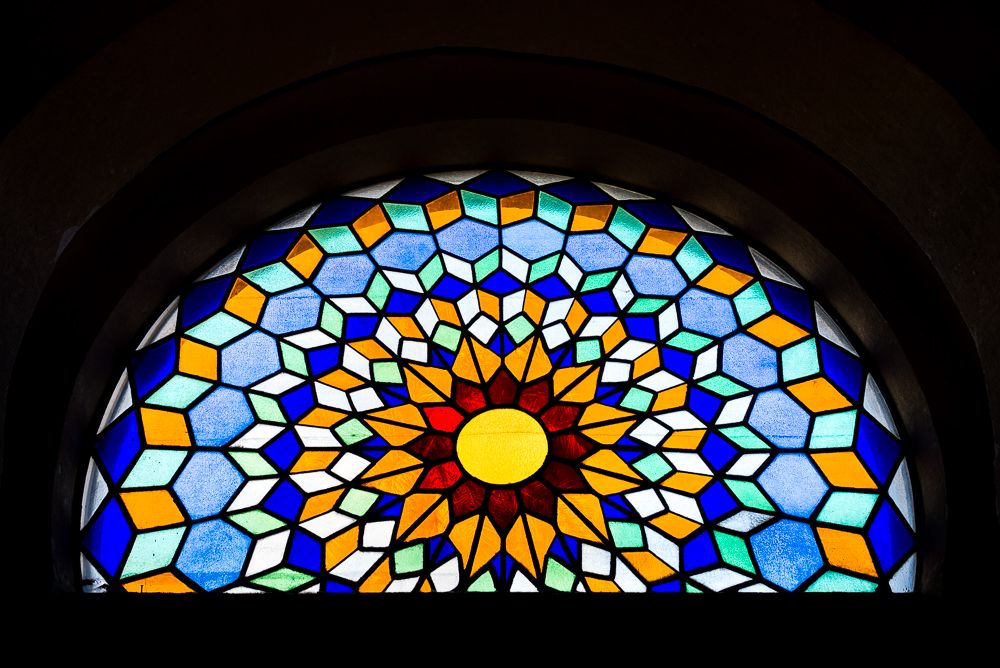
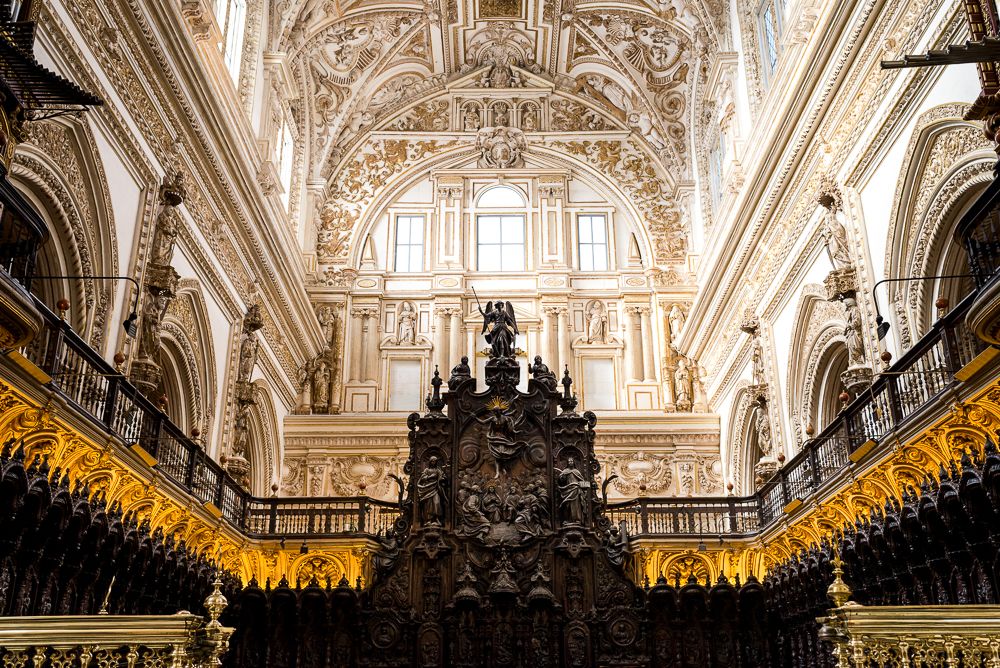
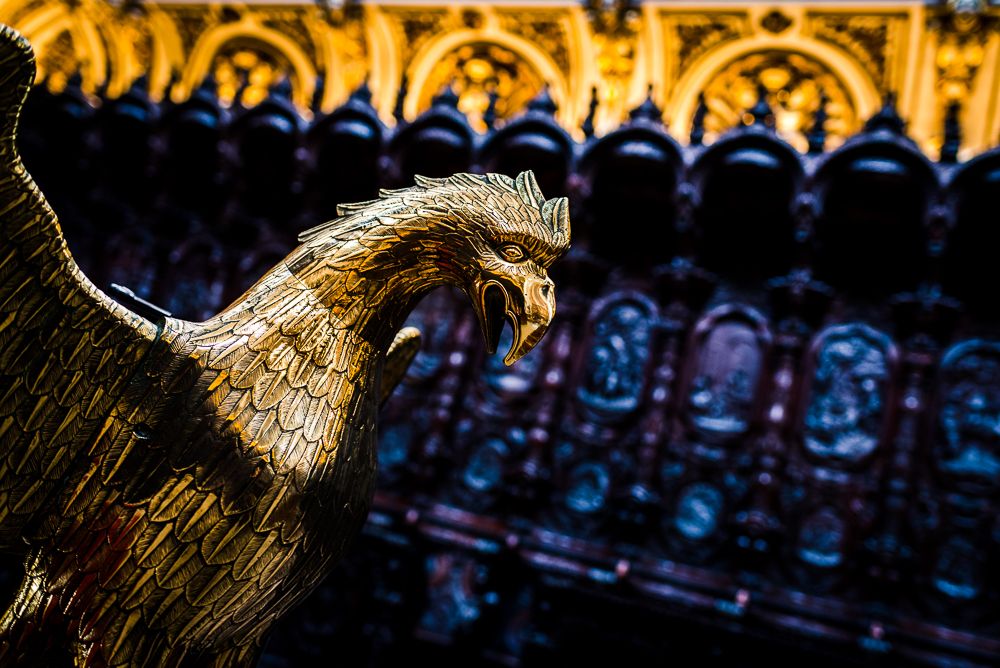
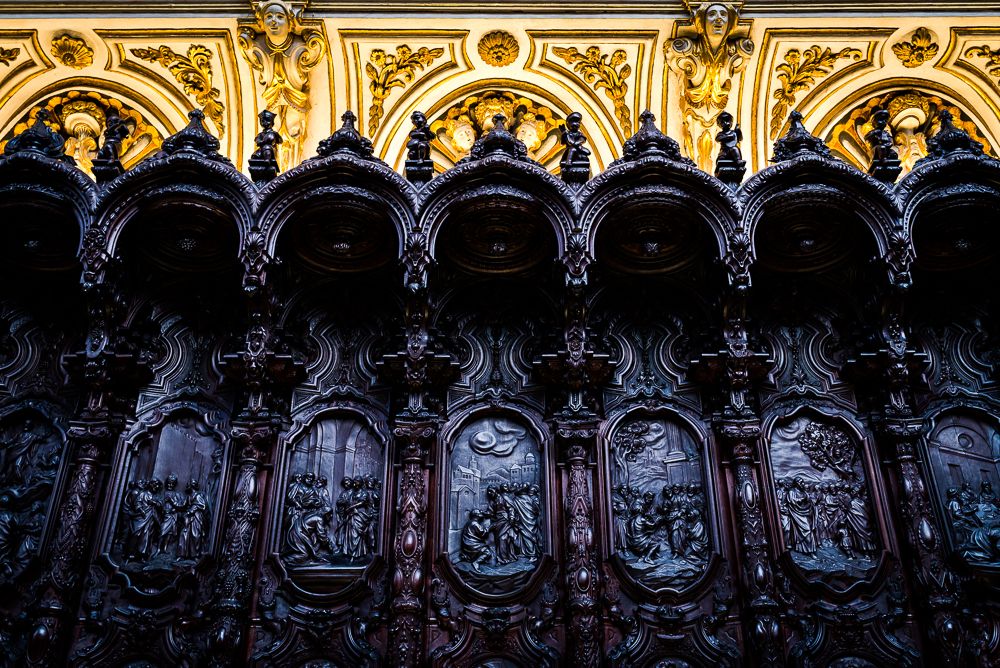
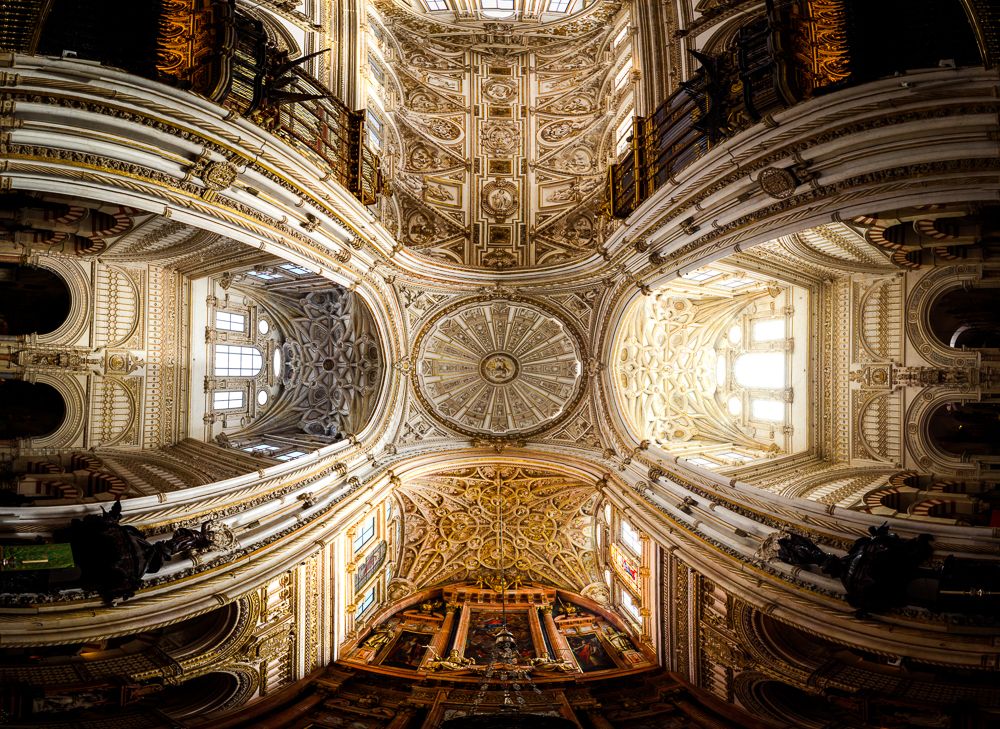
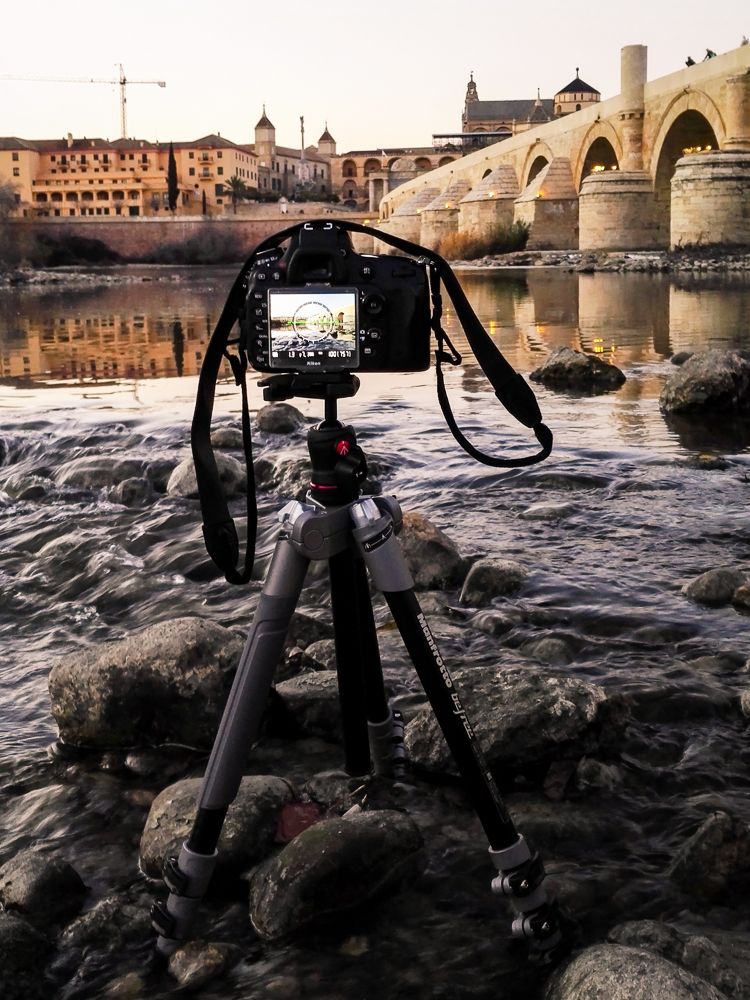
It would be almost criminal to visit Córdoba without stepping inside its Mezquita. The mosque was seen as the heart and central focus of the city, and its biggest symbol. The Great Mosque of Córdoba held a place of importance amongst the Islamic community of al-Andalus for three centuries. It is considered as one of the greatest works of architecture and after one step inside you will understand why. With heavy ornamentation, a blaze of colour and human images in paint, stone and wood, it contrasts shockingly with the understated simplicity, and lack of human images of Islamic design. The reconquest meant that the Catholic Kings demolished the central naves to construct a lavish cathedral. Access is via an orange tree-filled patio laced with irrigation channels, and once inside the cool of the building itself, you’ll see the contrast between the simple architectural style of the mosque and the cathedral more ornate, it also sits at the Mezquita’s heart. Three layers of spirituality in one site. A tremendous experience should never be missed. It has been a very hard place to be photographed due to the lack of light inside, based on the fact that tripods are forbidden. I had to shoot with hight ISO and slow shutter speed.